
CLEANROOM ENCYCLOPEDIA
Pressure cascades in cleanrooms: design principles and common mistakes
Where does the 10–15 Pa differential between adjacent rooms come from, and why should it not be pushed too high?
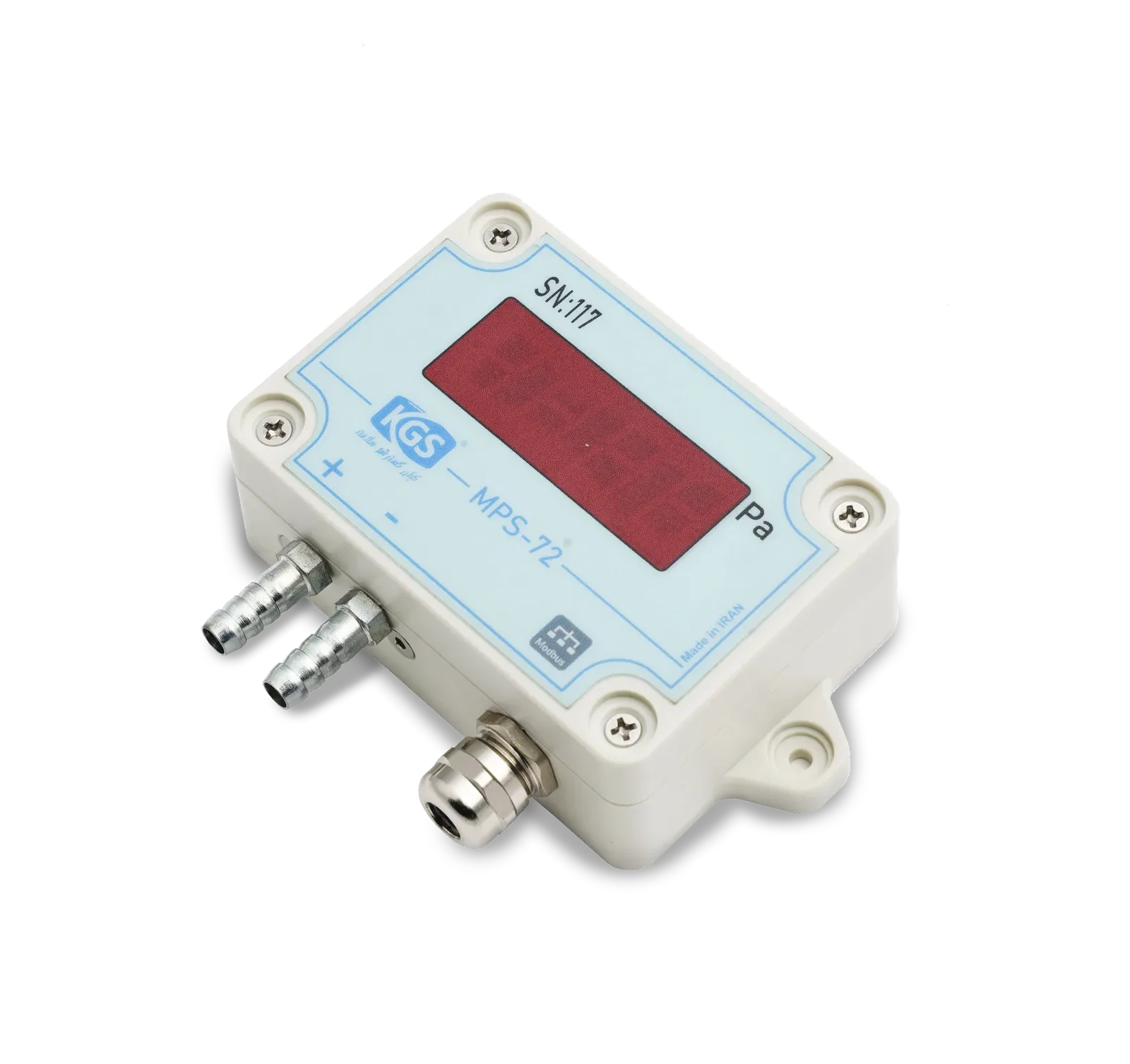
Why a pressure differential?
Air always moves from higher to lower pressure. Keeping the cleaner room at a higher pressure means uncontrolled air cannot enter the sensitive space through gaps or when a door opens. GMP guidance recommends a 10–15 Pa differential between two adjacent grades; for processes handling hazardous materials, local negative pressure with bubble or sink airlocks is used.
Common mistakes
A sound pressure-cascade design starts with an accurate calculation of fresh, leakage and return air, and is completed by a continuous monitoring system and a periodic balancing programme.
- Specifying too high a differential, which makes doors whistle, hard to open and the system unstable
- Ignoring building leakage (gaps, cable and pipe penetrations) when calculating make-up air
- No airlock, or no door interlock timing, between different grades
- Monitoring pressure only with a local gauge, with no continuous logging or alarms
Talk to the KGS technical team about your project
Tell us your requirements, the standard you work to and the capacity you need; the KGS engineering team will walk through the proposed approach with you.